In the comments of my article titled Thoughts on Street Photography: Gluttony of Big Cities, Joe Camosy left a list of five methods of street photography he has identified.
- People as a part of the urban landscape
- People going about their business, completely unaware (or forgetting!) that they are being photographed.
- People reacting to being confronted by the camera/photographer
- People “allowing” their photo to be taken (going about their business, but aware of the camera).
- People cooperating in an impromptu environmental portrait
I figured I’d have some fun with this list and try to provide examples of each of these types of street photography.
In order to make the continuity of this post a bit better, I’m going to rearrange the list and put number 5 after number 1. These two I feel deserve to be side by side as photographer’s mentality is probably somewhat different from a photographer who is shooting with the other three methods. Unlike the middle three classifications, number 1 and 5 are methods of street photography which are slower working. The photographer has an opportunity to carefully compose the scene, and in the case of environmental portrait, manipulate the subject a little bit to help the composition.
1. People as a part of the urban landscape
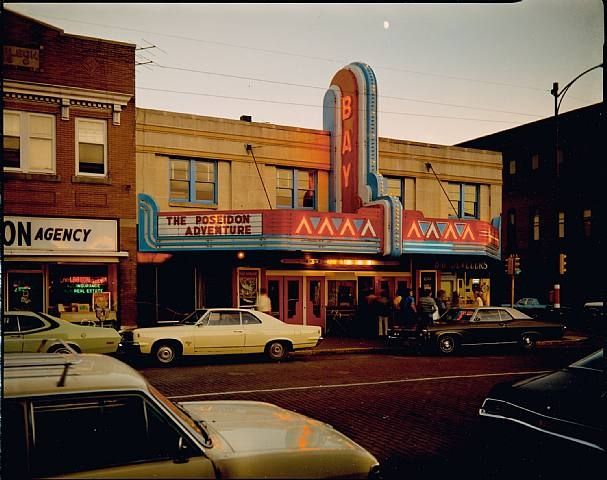
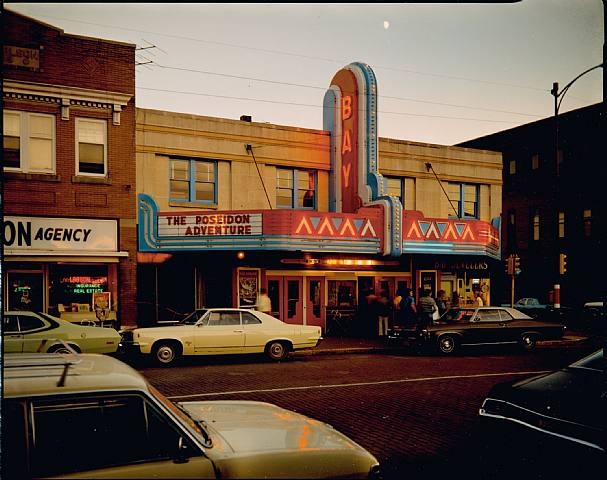
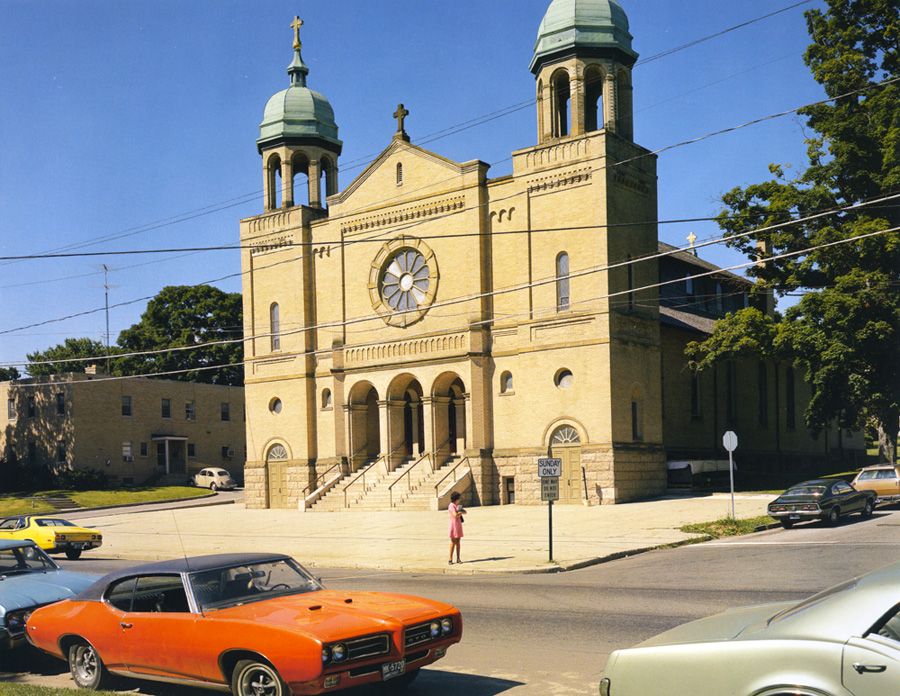
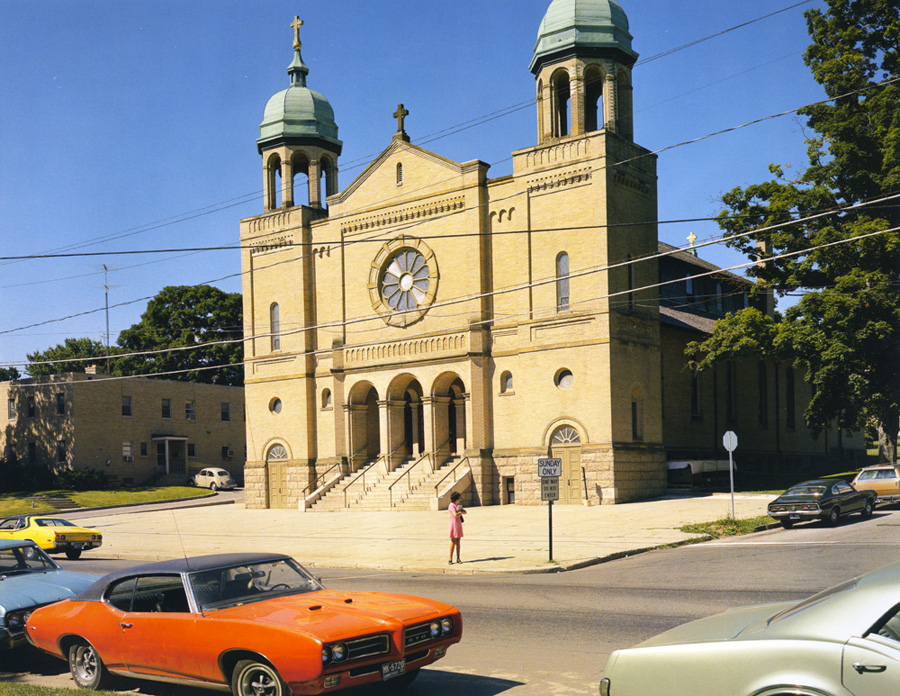
Stephen Shore was the first photographer to pop into my mind for this categorization. Like a good landscape photographer he lugs around a massive 8×10 camera to do his photography, most of which is done in an urban environment. While he doesn’t seem to focus on humans in his urban landscapes, he still does include them if present as part of the image.
Stephen Shore
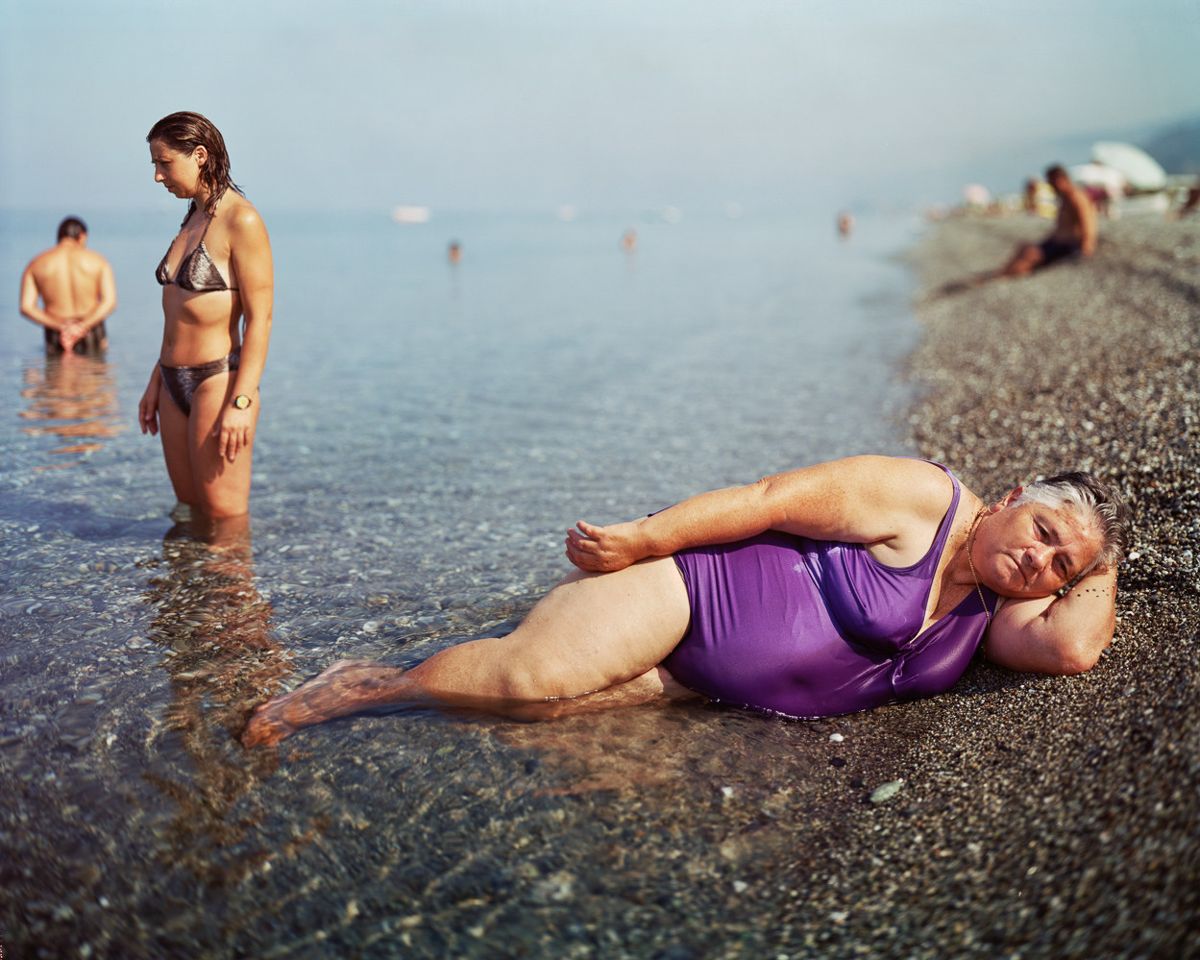
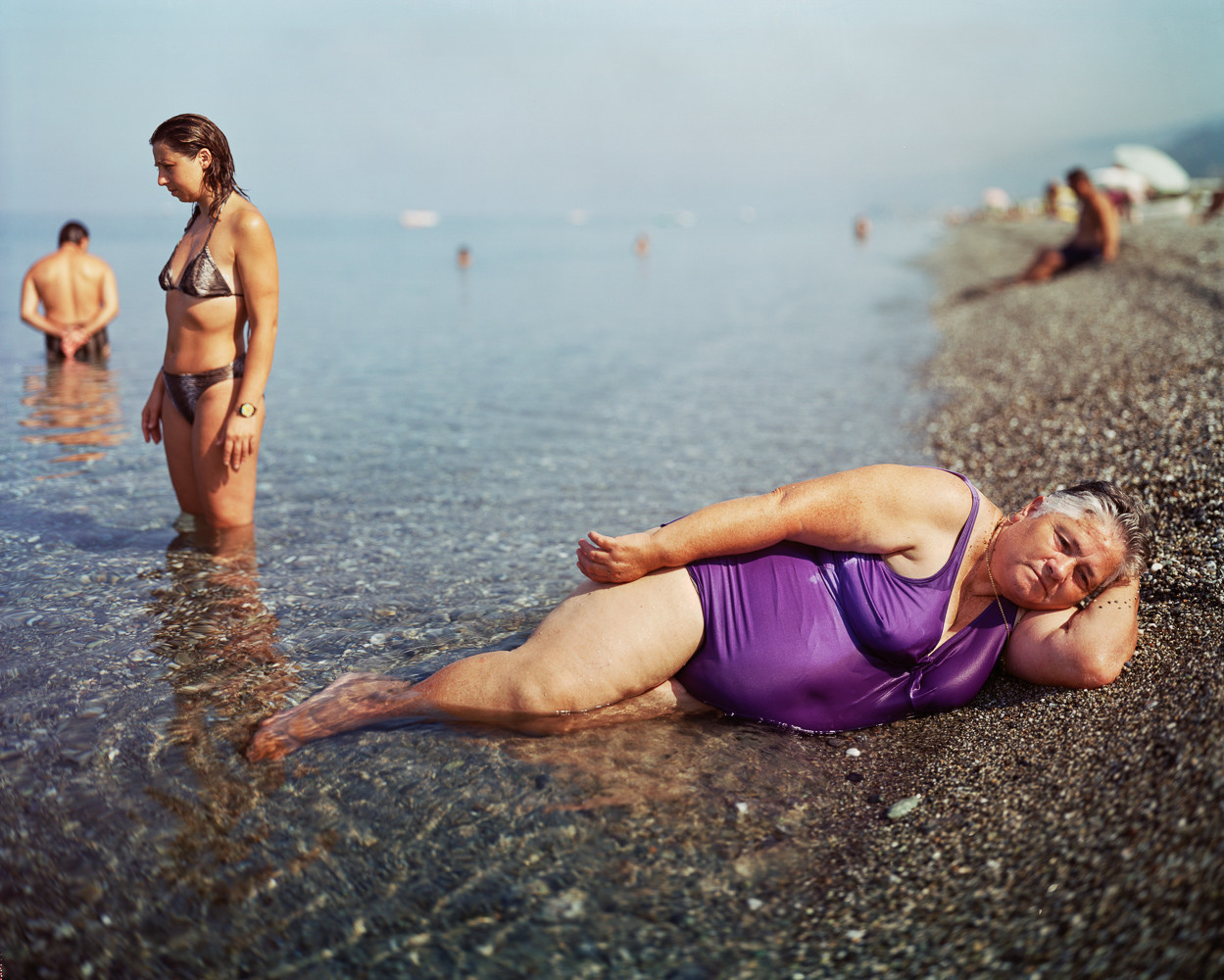
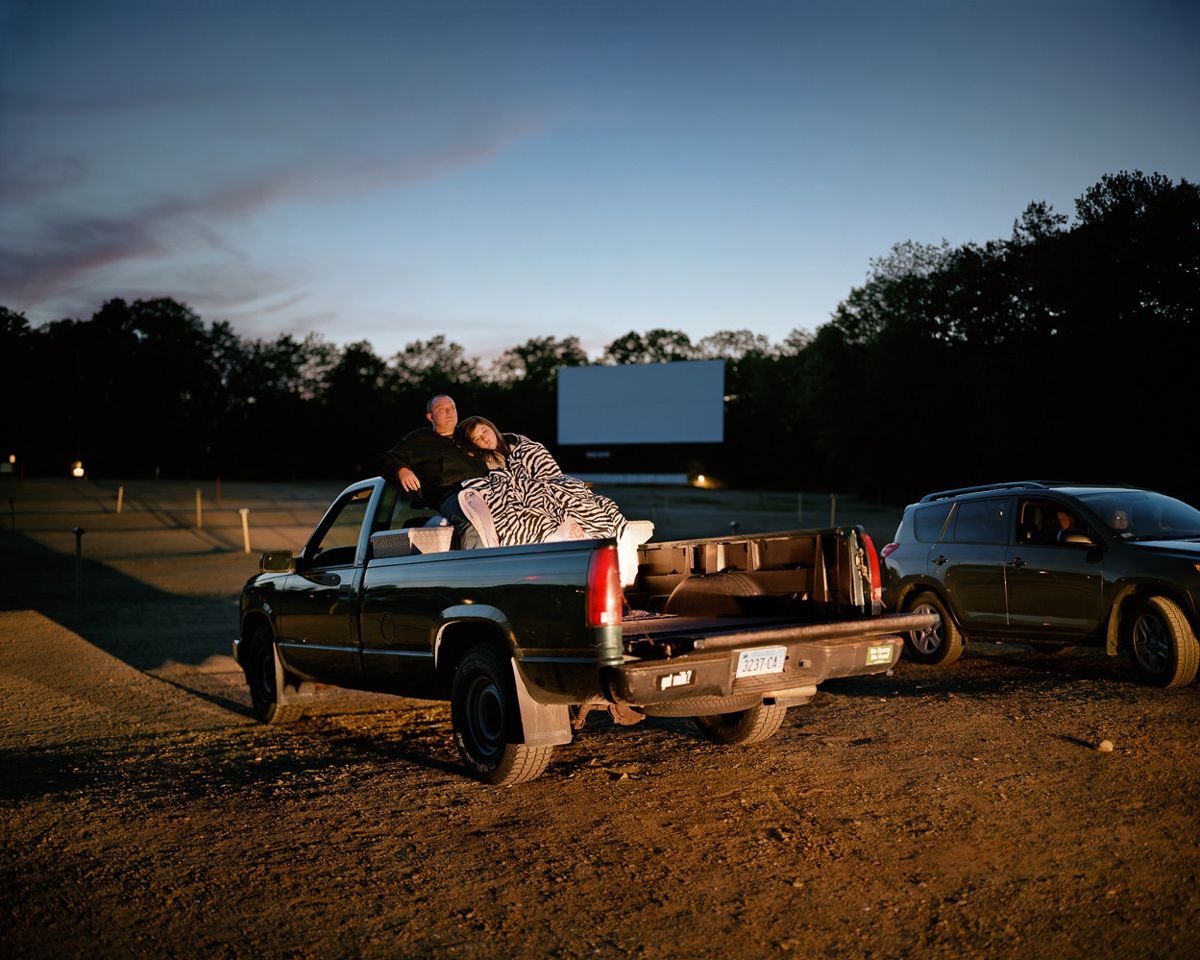
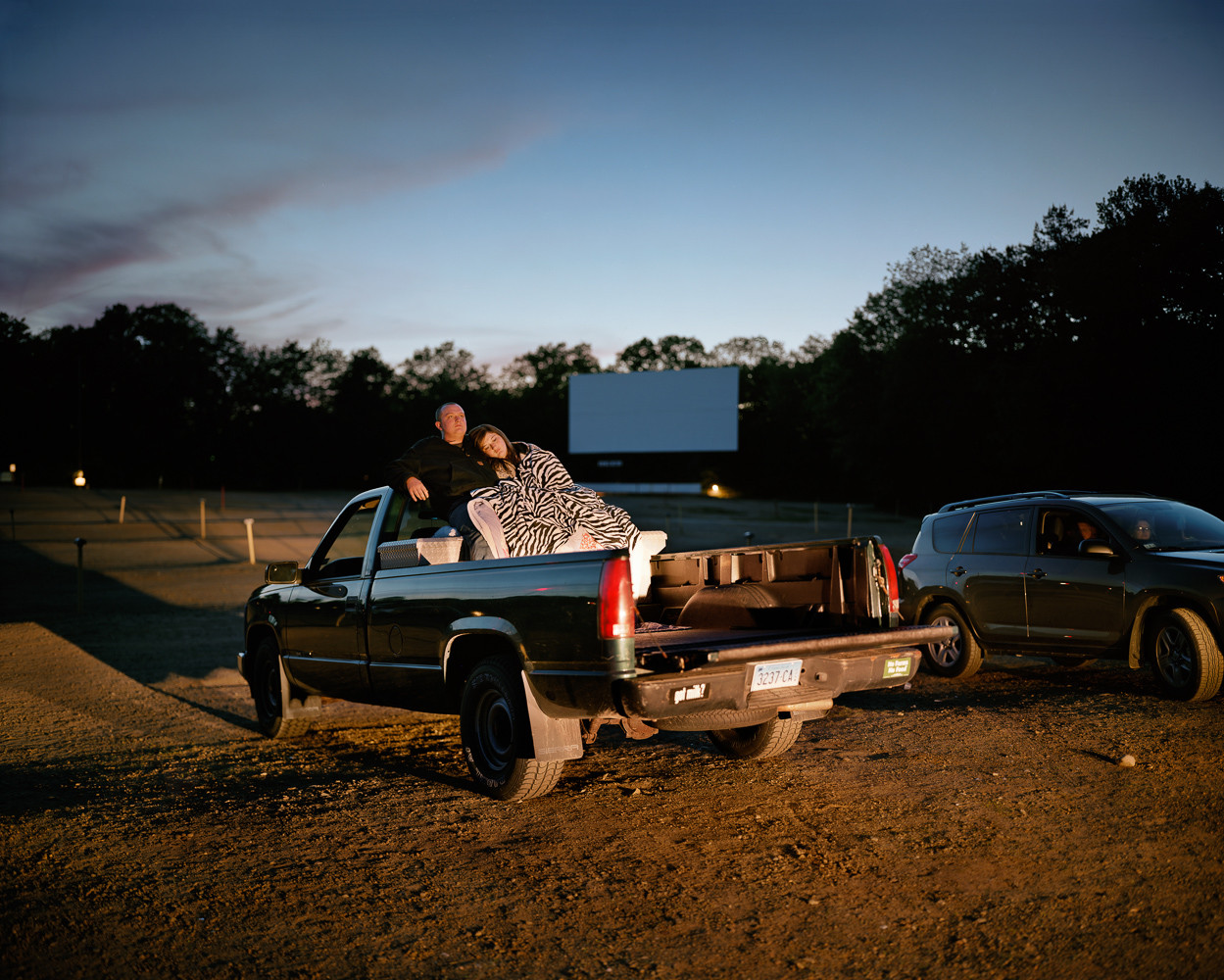
5. People cooperating in an impromptu environmental portrait
Not sure I like the environmental portrait part of this description. When I hear environmental portrait, I think of the large volume of photography I’ve seen where photographers take a large format camera out on the street. The results are pretty often the same—dead pan head shots of people smiling at the camera.
The two photographers I’ve come across recently who I feel can do this, and not make the photograph be forgettable were Greg Miller and Joel Sternfeld. Coincidentally, they also work with 8×10 cameras like Stephen Shore. I’ve felt first hand the power that a simple 4×5 camera wields over potential subjects. I really have no doubt that their choice of 8×10 makes the process of getting people to cooperate that much easier.
Joel Sternfeld
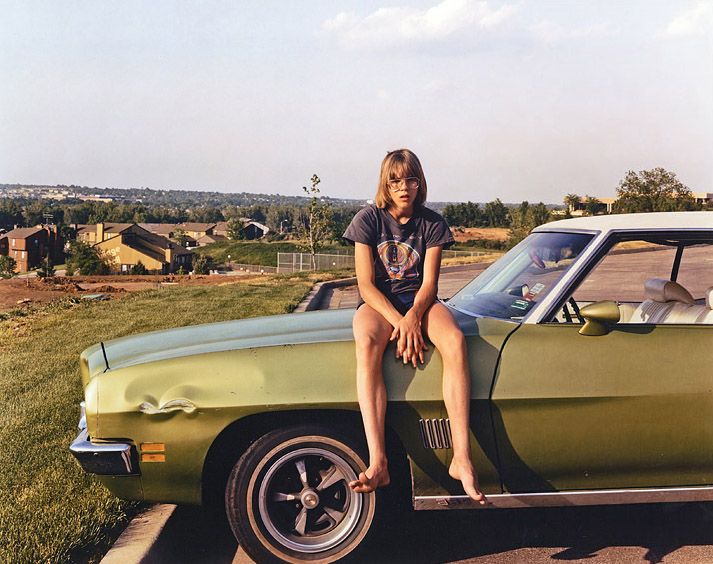
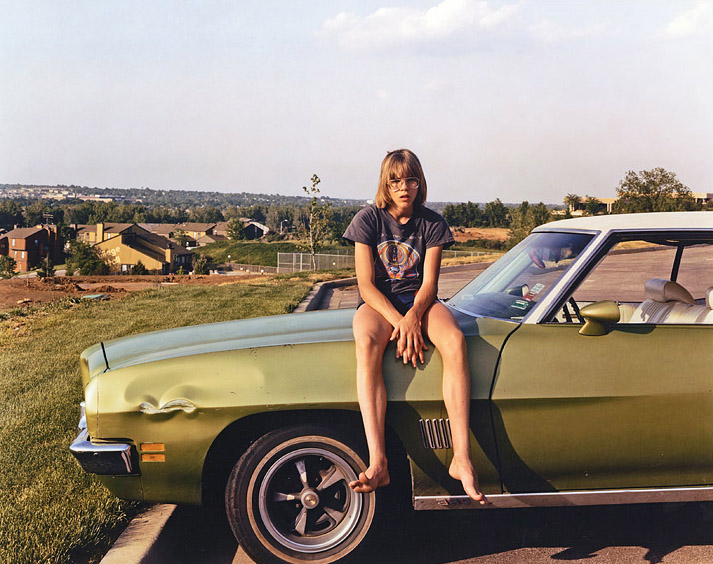
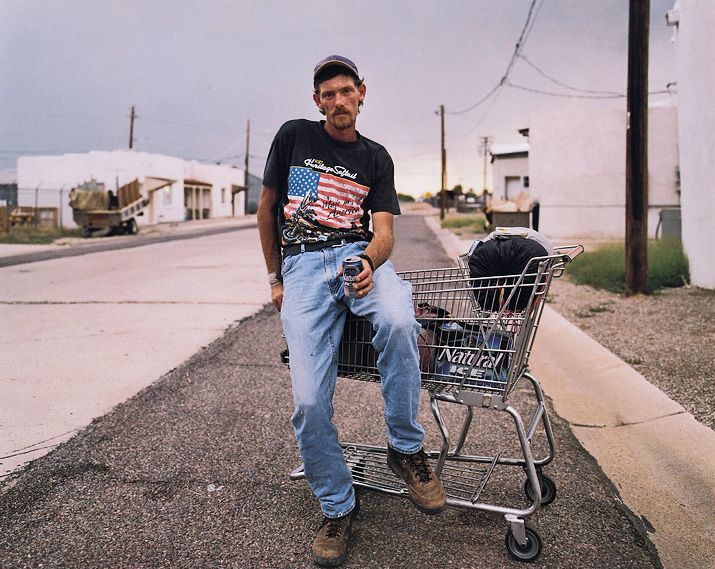
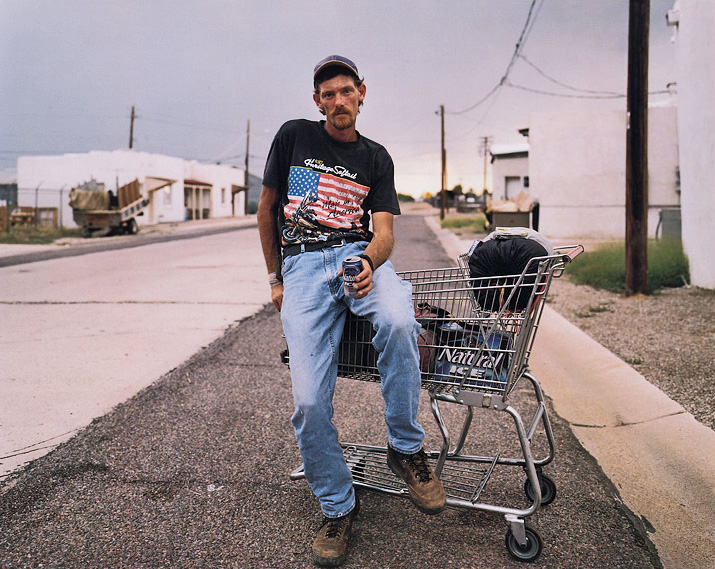
Greg Miller
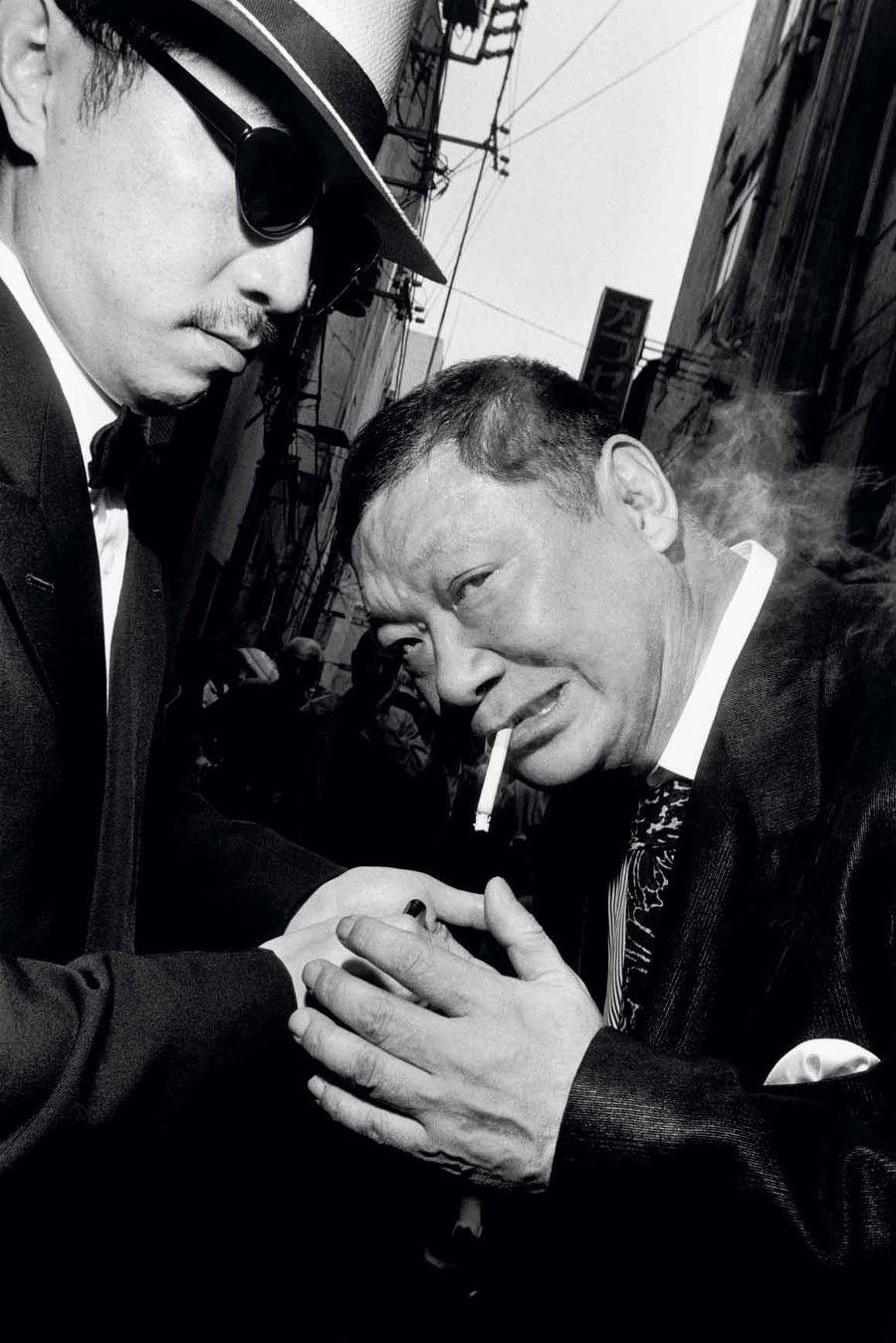
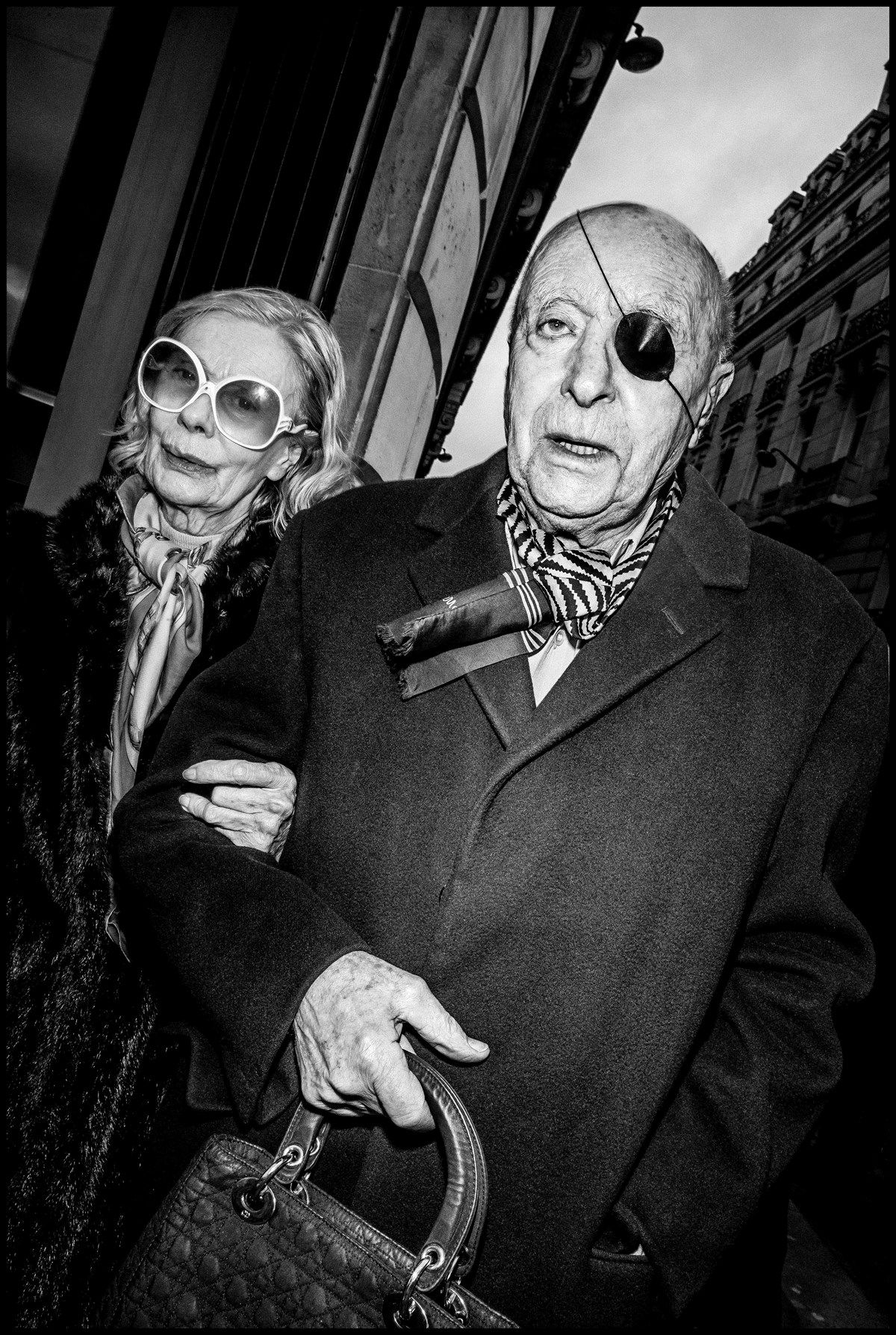
3. People reacting to being confronted by the camera/photographer
Sometimes, this may just happen expectantly. For example, a photographer starts framing a scene while the subject is in a state of total oblivion to him. The moment before the exposure is to be made they might realized what is going down and show a reaction.
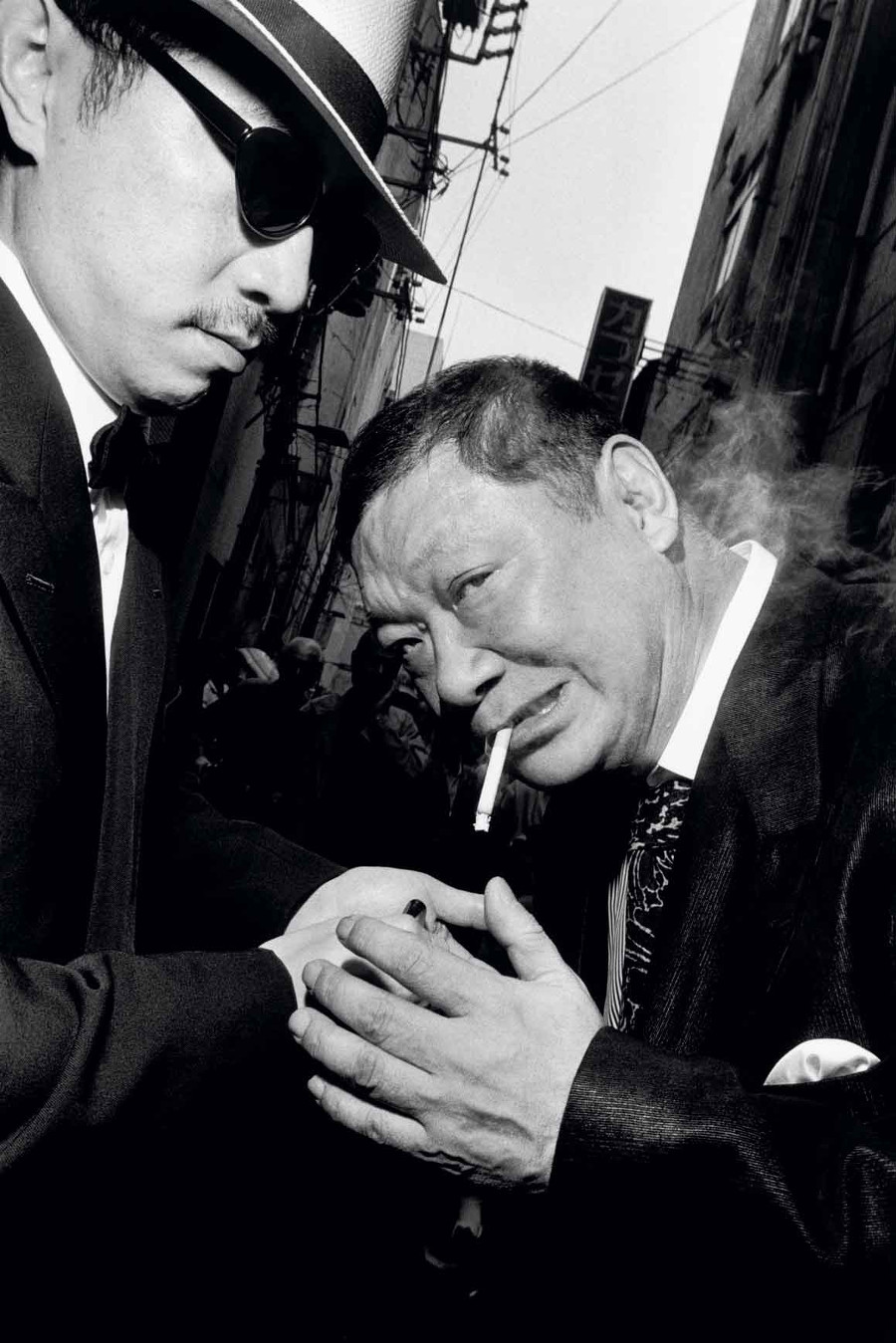
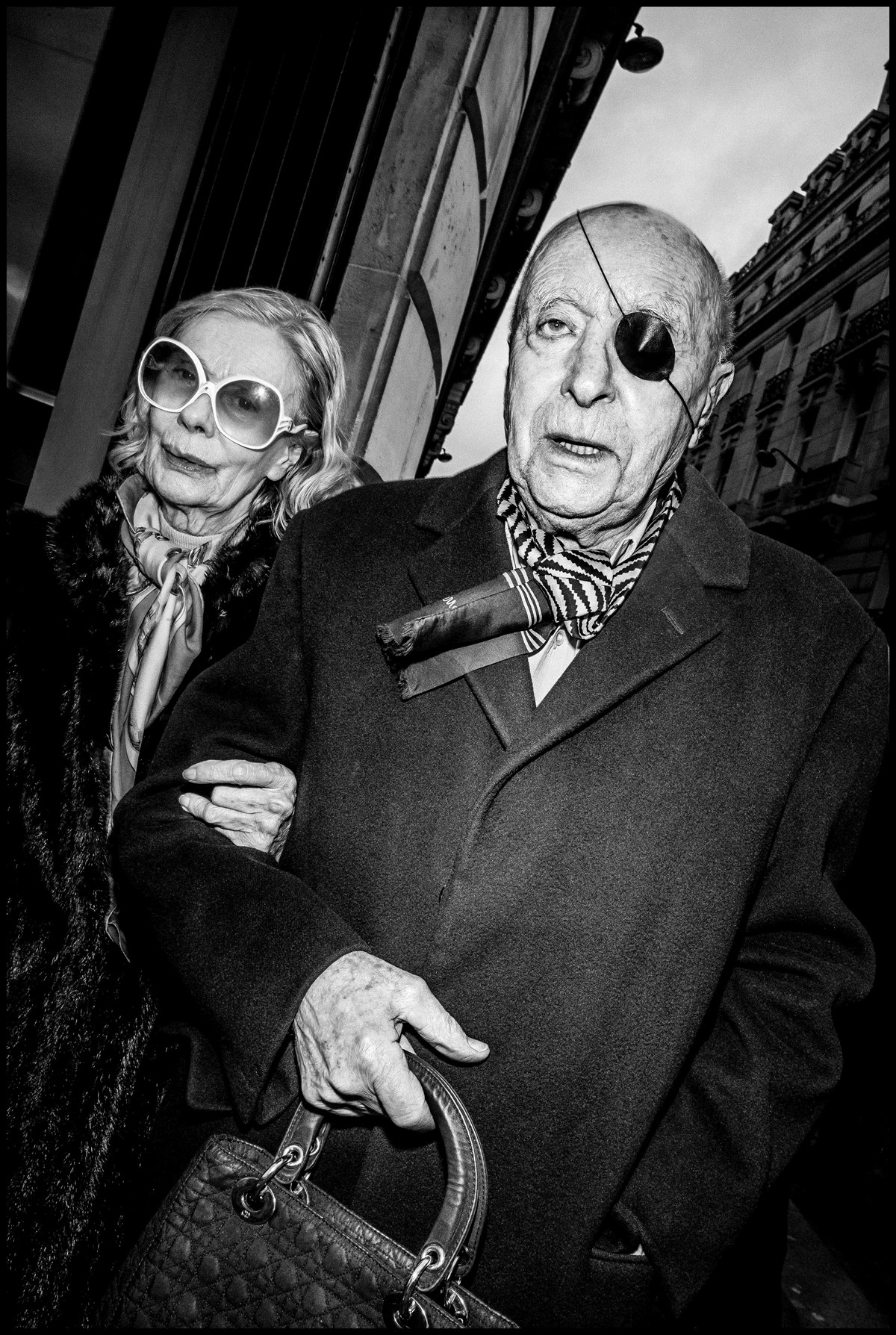
Other times, such as when Bruce Gilden goes out to shoot, the interaction/reaction is key component of the art.
2. People going about their business, completely unaware (or forgetting!) that they are being photographed.
This one, along with number 4, I think are the absolute hardest to differentiate between each other by viewing a single image. For number 2 I’m using this image by Matt Stuart.
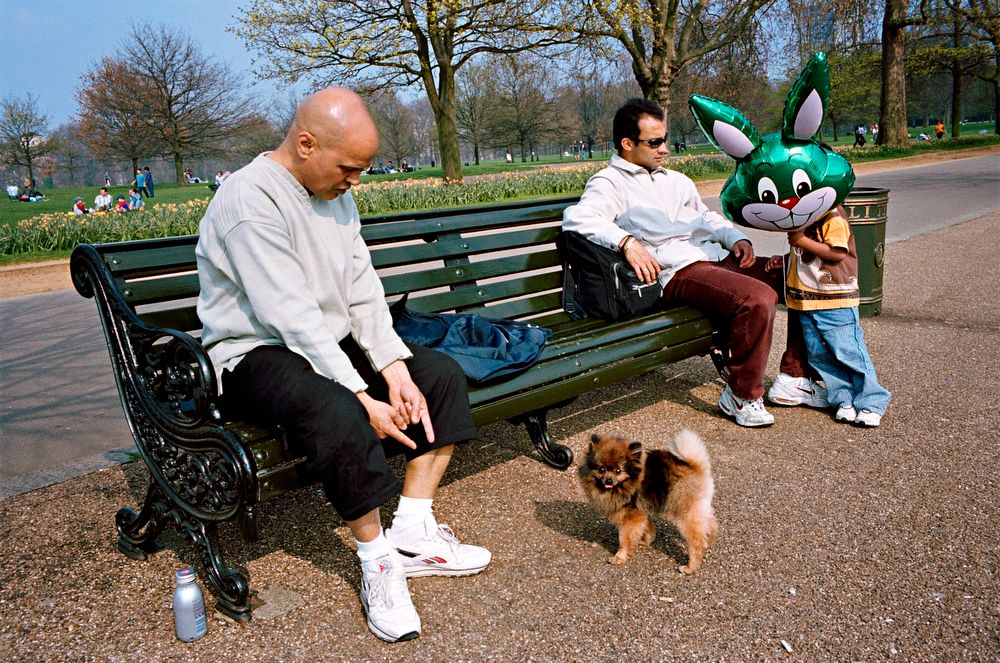
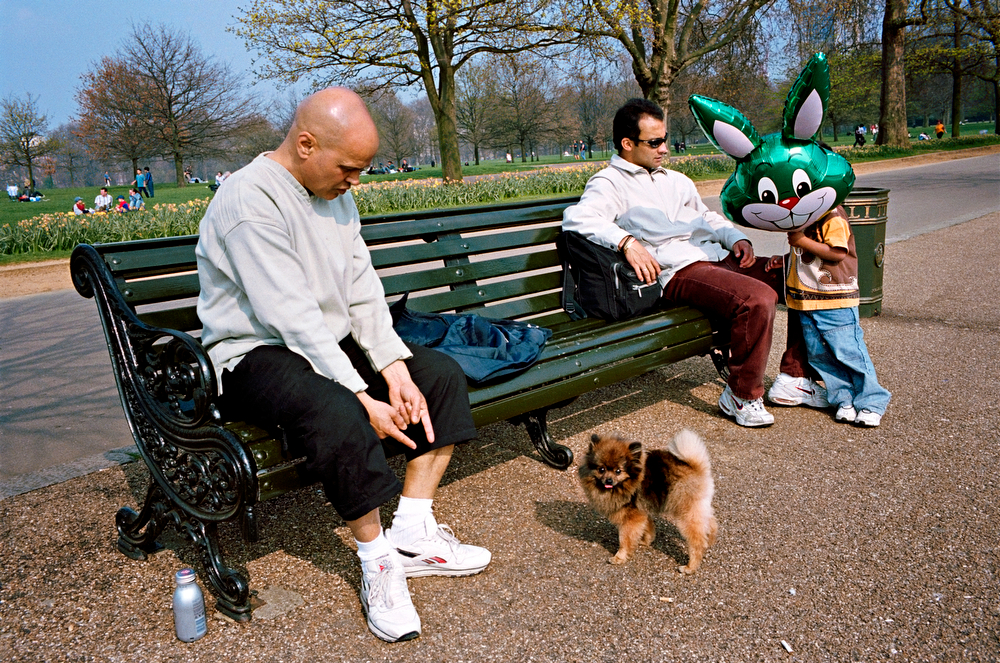
I choose this image mainly because of a quote I remember about it by Matt posted on Blake Andrew’s blog.
I shot around 15 frames of the scene then left and nobody noticed me at all.
Without that bit of insider information from the photographer, could we really know that this photo wasn’t a group of friend he was tagging along with, or other people who knew he was there taking photos?
4. People “allowing” their photo to be taken (going about their business, but aware of the camera).
Another tricky one to decipher from a single photography without additional information.
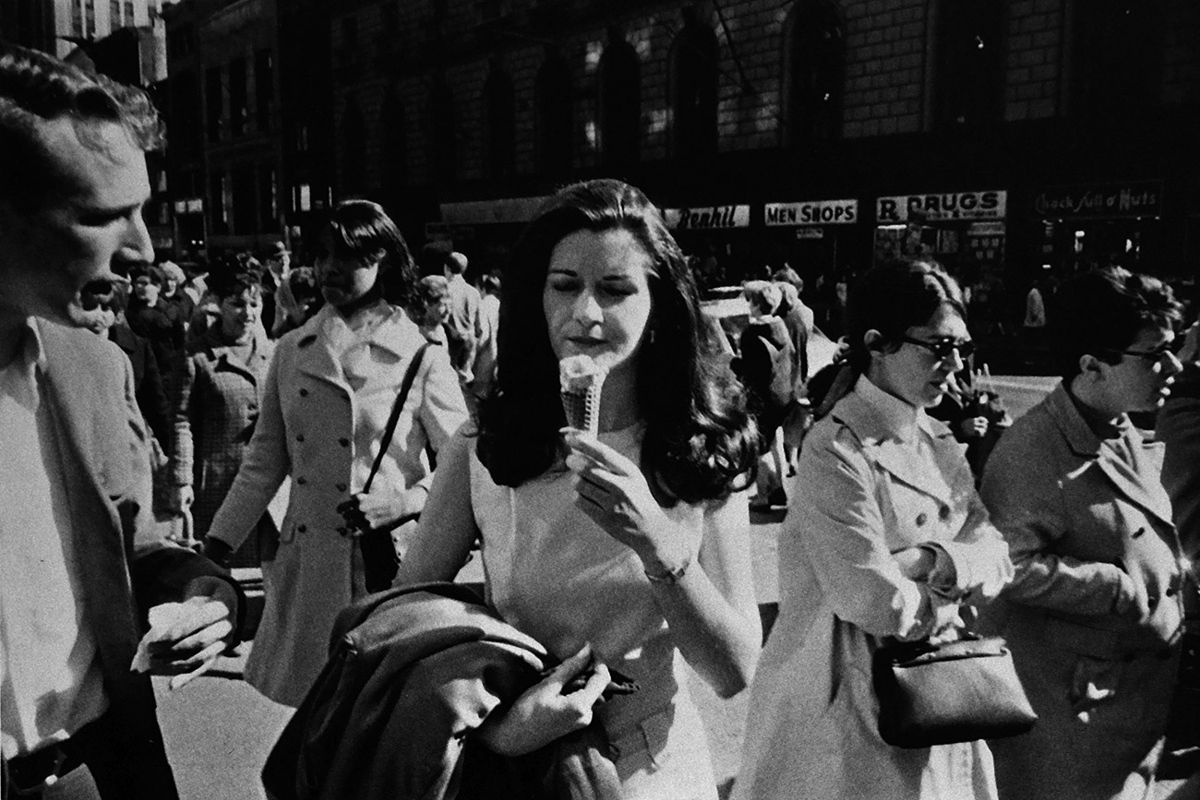
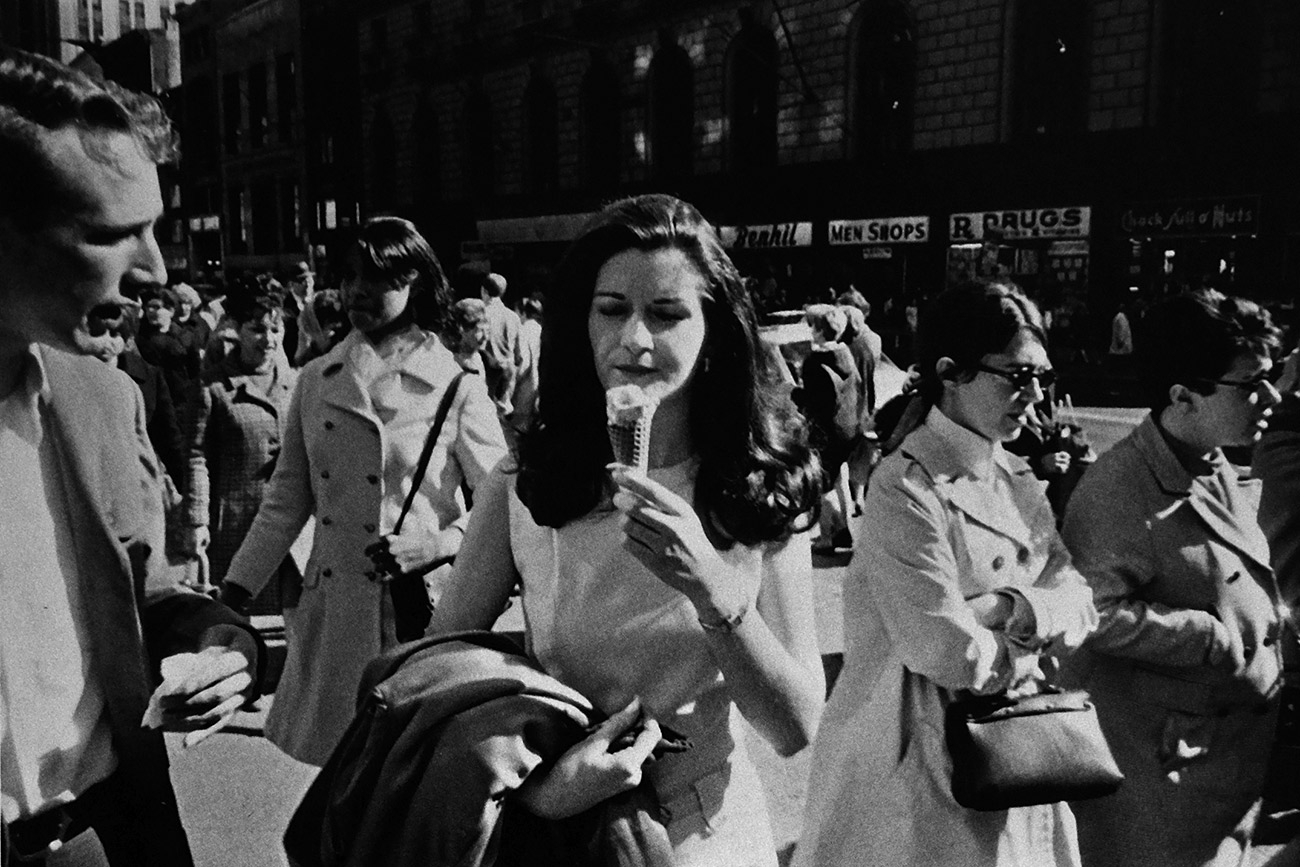
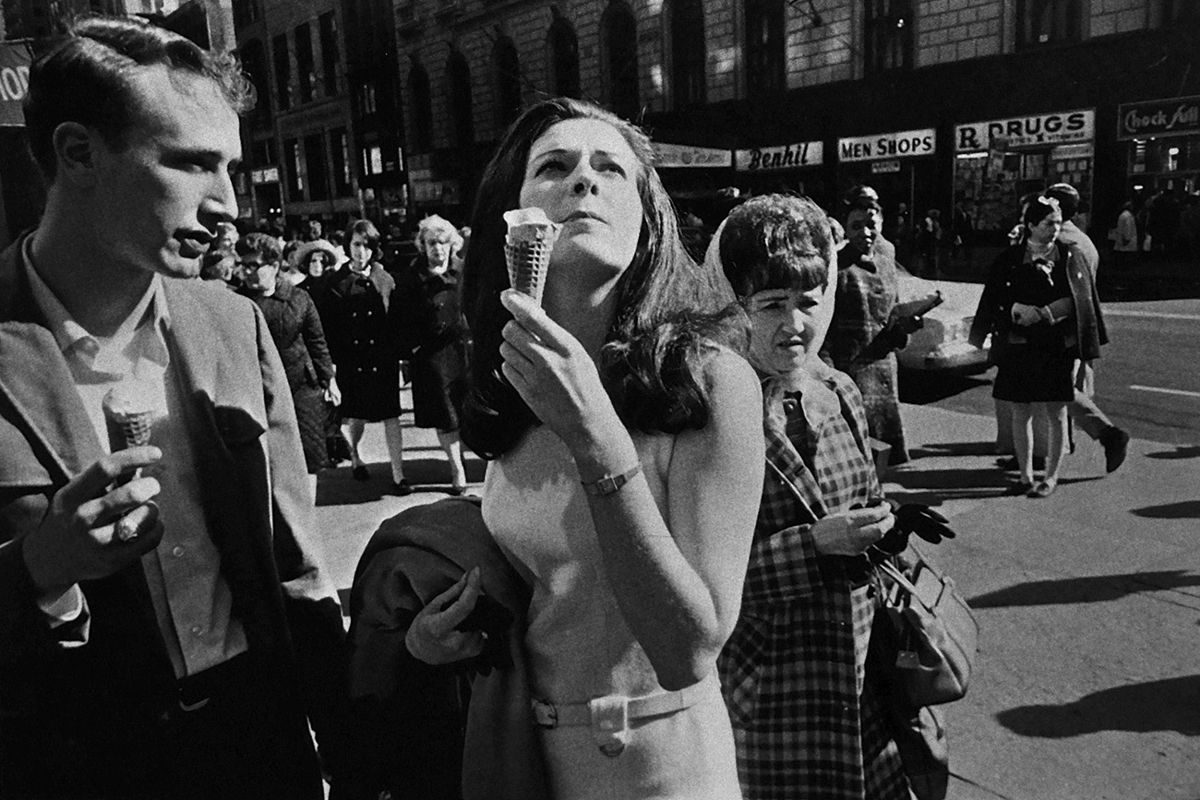
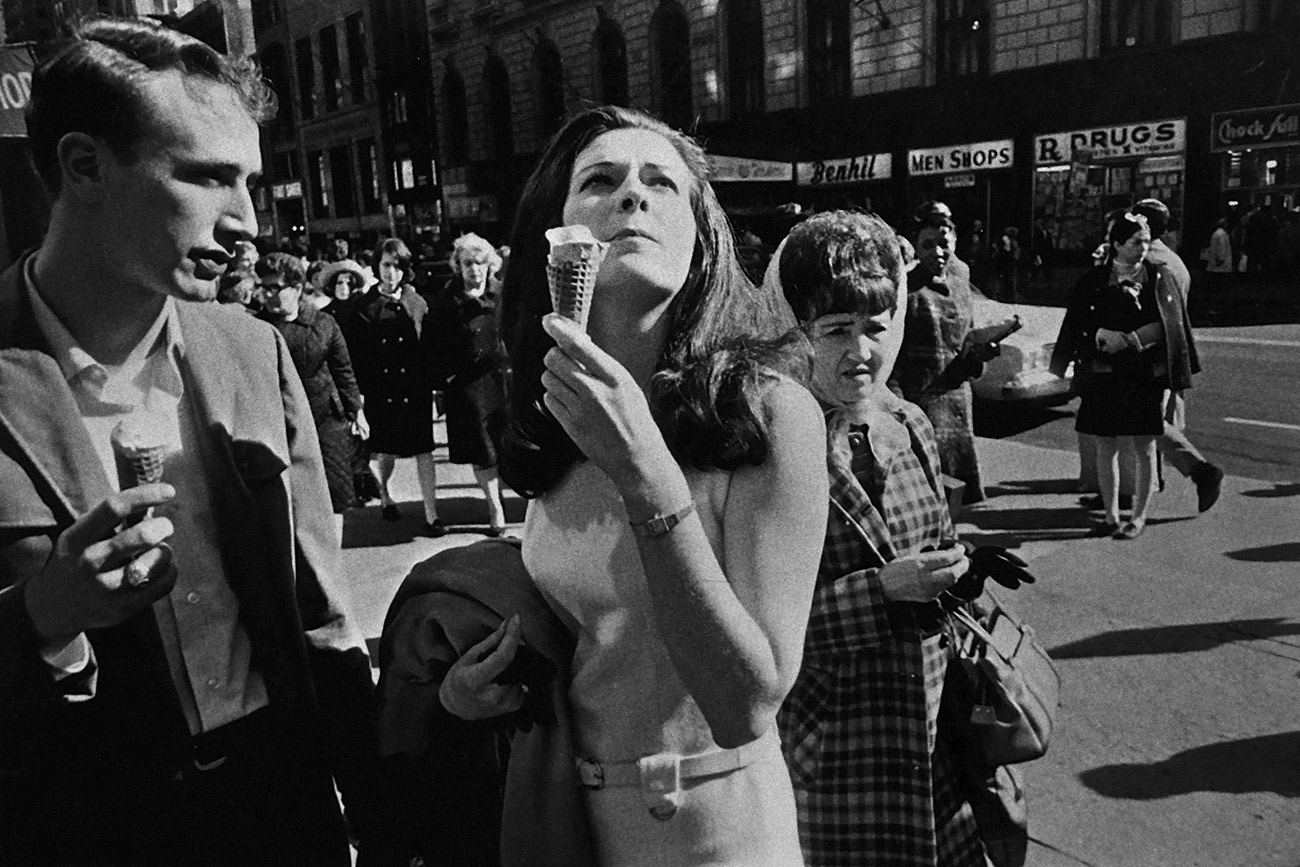
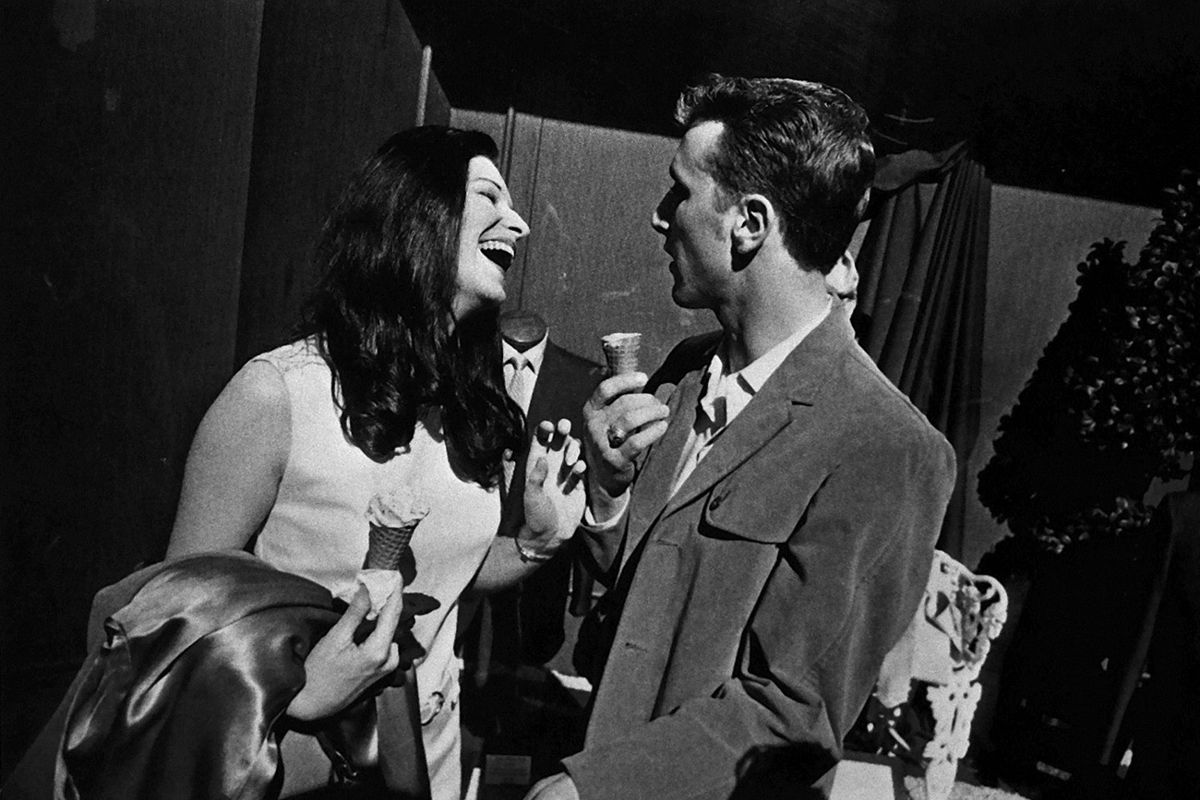
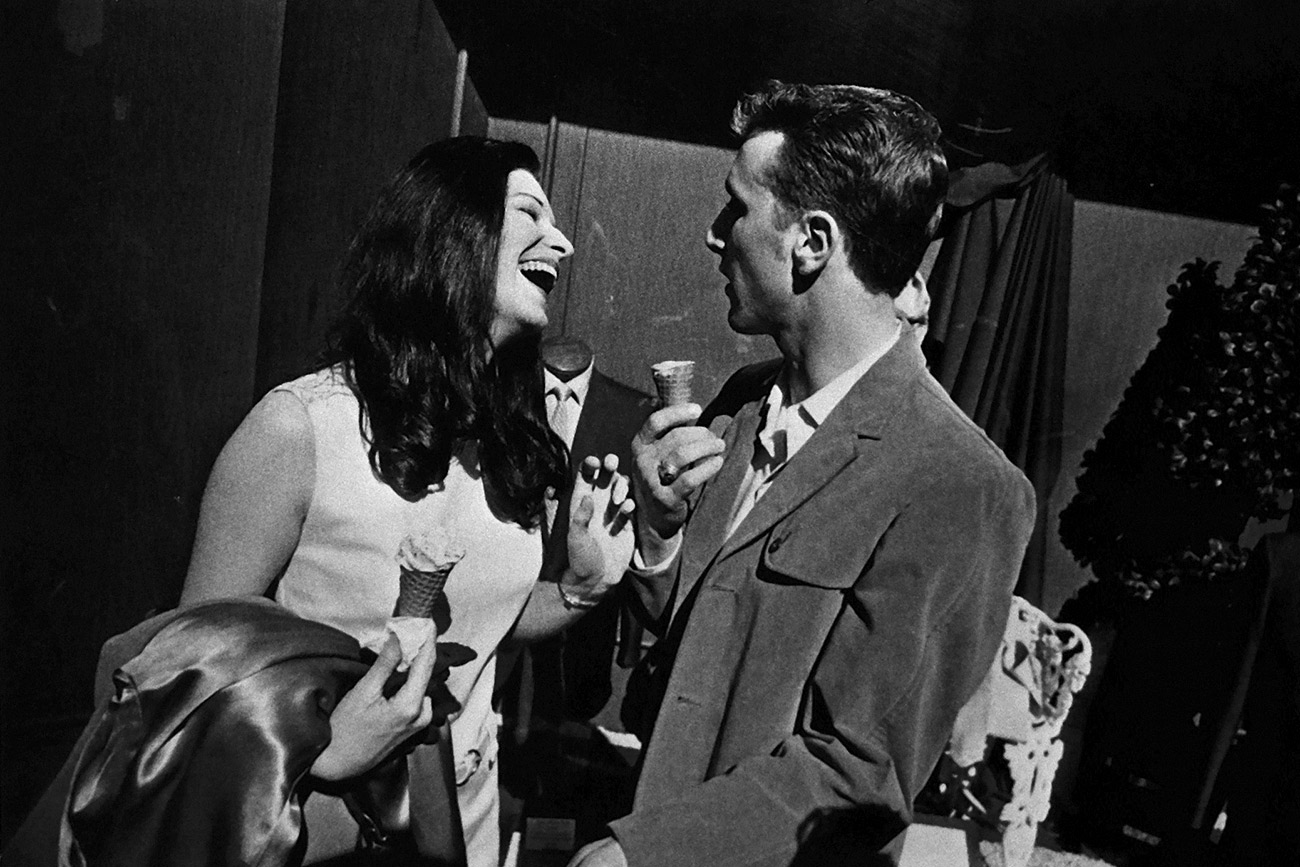
One of my favorite Garry Winogrand photos is the one from New York in 1968 that depicts a laughing woman holding a half eaten ice cream cone.
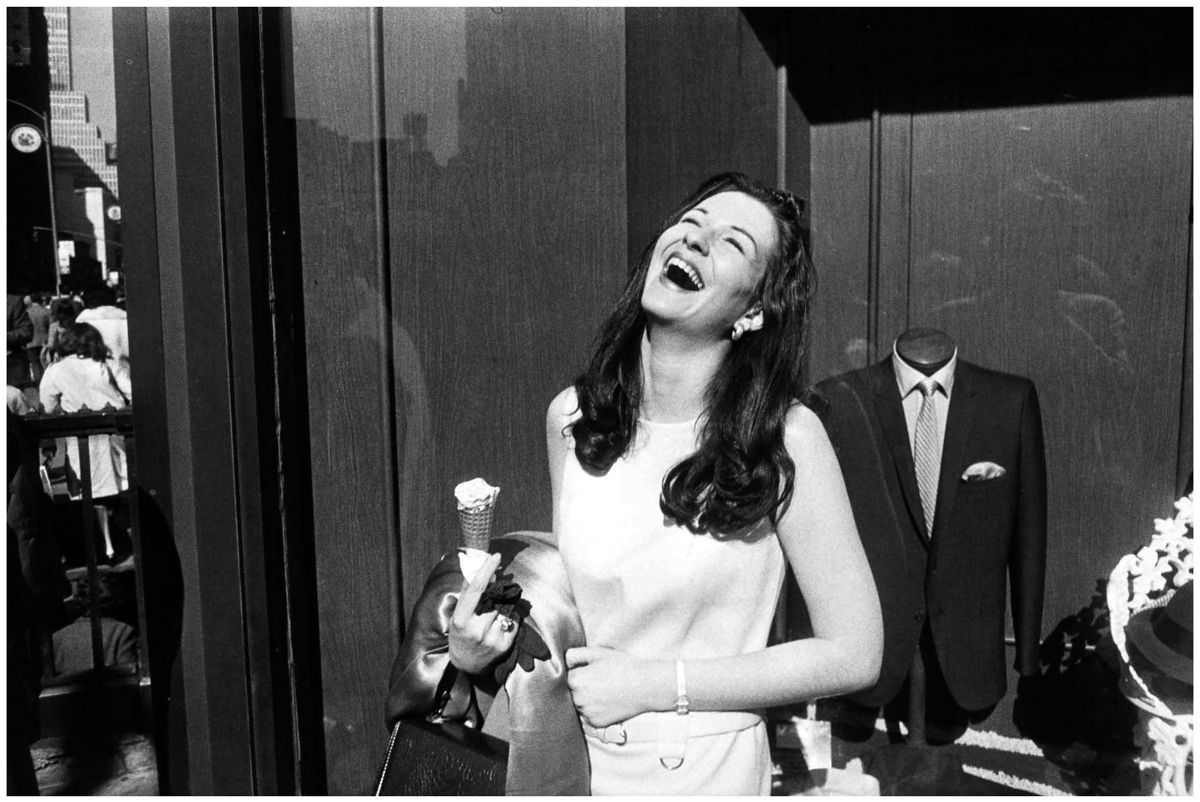
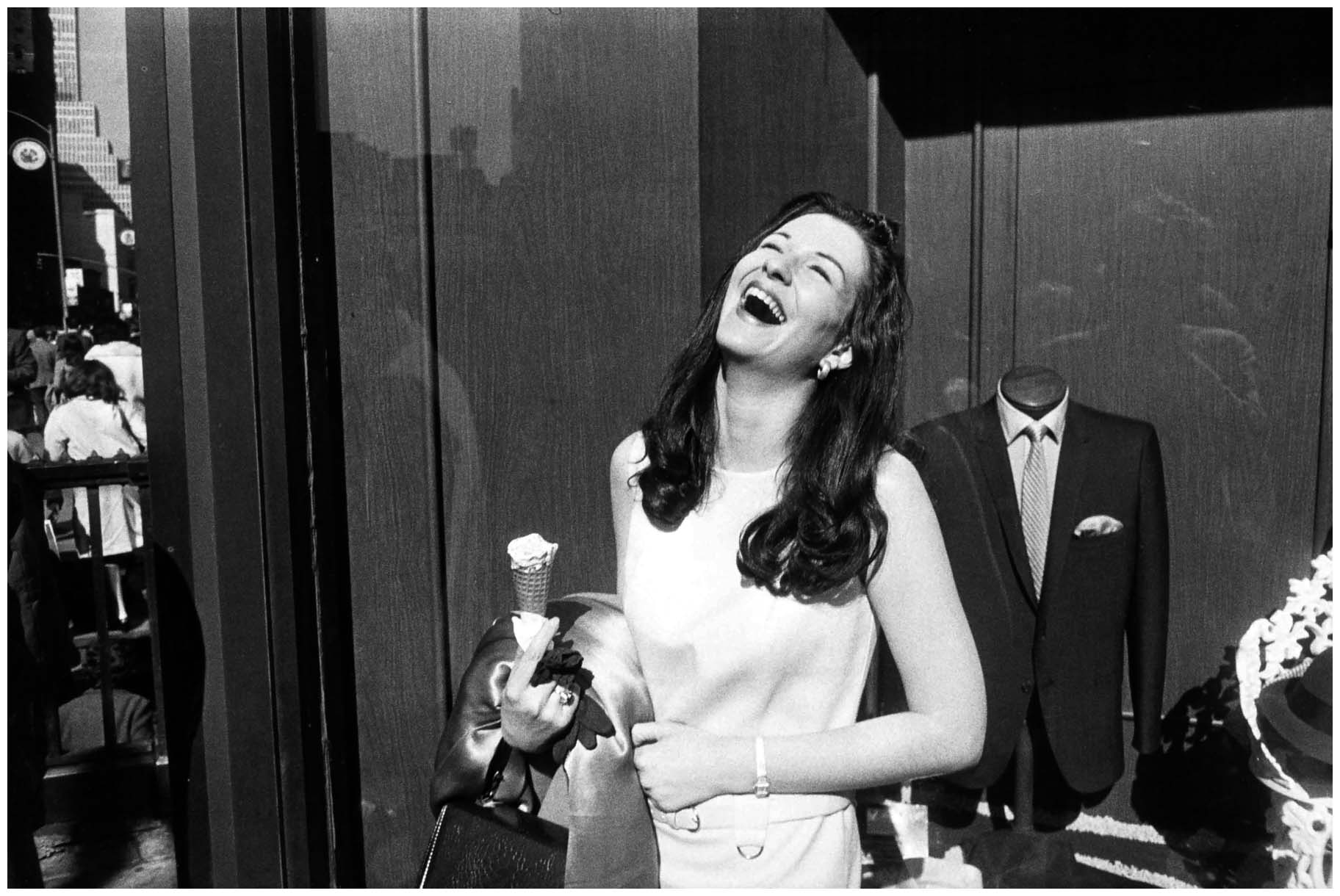
From this single image alone could you discern whether or not the woman was aware of Winogrand or not? I always assumed it was a type 2 photograph. Then I bought Figments From The Real World and I now believe it may be a type 4. Along side of the more famous photo are a few more of the same woman and a man from various angles. It seems very likely that they were well aware of his presence, and just let him do his thing.
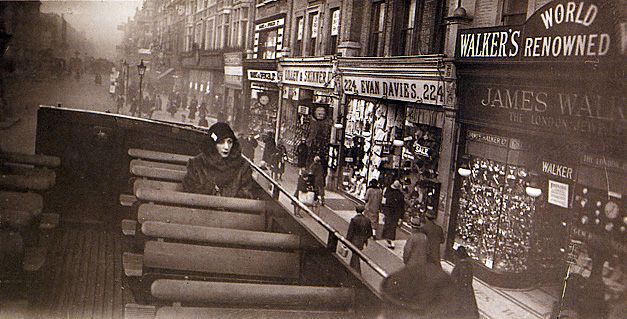
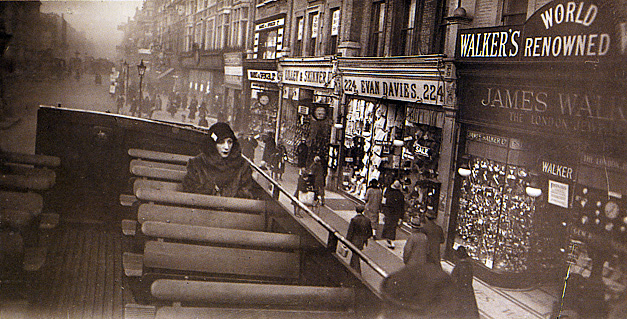
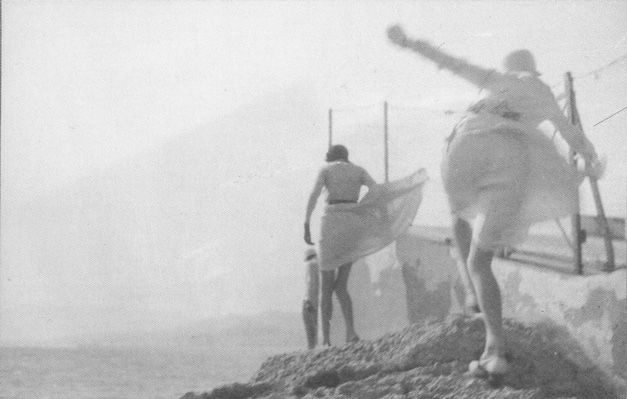
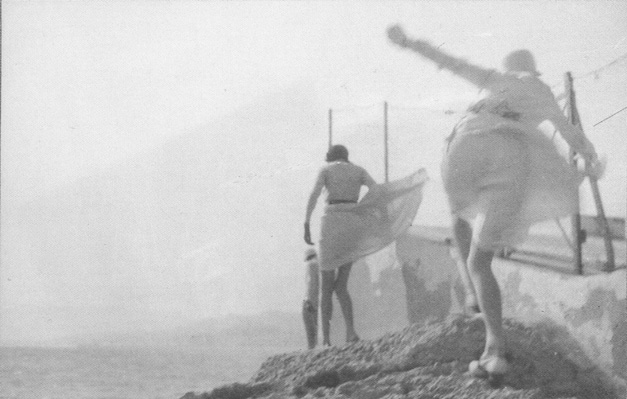
Another photographer who comes to mind regarding this type of shooting is Jaques Henri-Lartige. Throughout Album of a Century we often see the same named characters appear in his street photos throughout the years. Obviously family & friends who would most likely know he is always taking photos, and don’t care about their own inclusion. Here are two of his wife Bibi.
These are just my initial gut reactions to each type of street photography and are obviously just a drop in the hat to the total number of photographer who could be classified under each of these headings. If you read any of the descriptions and had any different immediate reaction of a photographer who’s work would fit one of the classifications, shout them out in the comments below.
Book List
Select publications from the aforementioned artists in this post.
- Stephen Shore – Uncommon Places
- Joel Sternfeld – Stranger Passing
- Lartigue – Album of a Century
- Garry Winogrand – Figments From The Real World
8 Archived Comments
Well, nice thought and good topic.
I enjoyed reading it. But I have to say that street photography cannot be classified in just 5 categories. Either you have to more as Jacques Philippe also mentioned for example, or it’s 2 kinds- Spontaneous or planned.
Or you can classify with people as subject or people not as subject.
Or… It’s just one kind. You go on street, you do photography. That is street photography.
This is my personal opinion, you don’t have to agree with that. But if you do so then thank you.
Or… It’s just one kind. You go on street, you do photography. That is street photography.
I like that , and I completely agree with it. Short, simple, and doesn’t have a bunch of silly little rules to abide to. Too many people tend to over analyze and setting up boundaries of what is, and isn’t, instead of just going out there and making images that make them happy.
This wasn’t intended as absolute The Only 5 Ways…., bur rather 5 (of many) ways…. Just a little exploration of some of the subcategories under the umbrella.
what about street photography with no people ?
Please let me into your definition of Street Photography Chris.
…. Joel Sternfeld…. ?????????????
Another great photographer… but it is not street photography.
….. Stephen Shore….. a street photographer? Interesting..
Another style, another approach of Street Photography – http://www.enguerranouvray.com/wntd.html : any comment ?
#2 with the a technical variation of long exposure/camera shake/photoshopping.